Designing Sustainable Automation for Urban Infrastructure
Cities are under growing pressure to keep buildings and public spaces safe, clean, and operational while using resources more responsibly. As urban populations grow and infrastructure ages, traditional maintenance methods can struggle to keep pace. Sustainable automation offers a practical way to rethink how cities care for the places people rely on every day.
At Thub Technologies, we see automation as more than a way to complete tasks faster. When designed around real operational needs, it can help make infrastructure maintenance safer, more consistent, and more resource-conscious.
Why urban infrastructure needs a new approach
Urban infrastructure is made up of connected systems: buildings, transport hubs, public facilities, and the services that keep them working. Each requires regular inspection, cleaning, and maintenance. These activities can involve demanding work at height, repetitive processes, or environments where hygiene is a priority.
A sustainable approach considers the full impact of those activities. It asks how work can be carried out with fewer unnecessary resources, less disruption, and better protection for the people performing it. It also considers the long-term performance of buildings and equipment, rather than focusing only on the immediate task.
Automation can make maintenance safer and more consistent
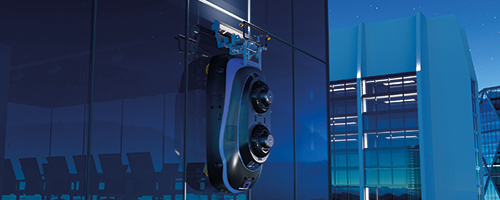
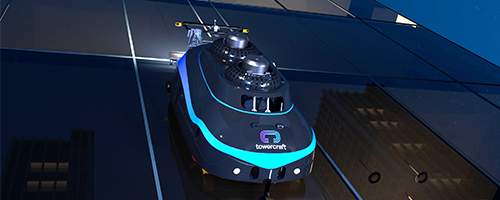
Robotic systems can support maintenance teams by taking on repetitive or higher-risk tasks. In façade maintenance, for example, robotic cleaning solutions can help reduce the need for people to perform routine work at height. This can contribute to safer planning while helping teams maintain more consistent cleaning schedules.
Automation is most useful when it works alongside skilled people. Operators and facilities teams remain essential: they set priorities, monitor performance, inspect results, and make decisions when conditions change. Technology can support their work by handling defined tasks and providing a more repeatable process.
Resource efficiency begins with better planning
Sustainability is not measured by automation alone. The way a system is designed, operated, and maintained matters just as much.
A well-planned automated process can help teams use water, energy, cleaning materials, and staff time more deliberately. Sensors, scheduling tools, and operational data can help identify when maintenance is needed and where resources should be directed. This can reduce avoidable work and support maintenance based on actual conditions.
The aim is not to automate every task. It is to choose the right task, define the right operating conditions, and measure whether the solution delivers practical value over time.
Hygiene technology has a role in public spaces
Urban environments also include places where people share surfaces and equipment throughout the day. In suitable applications, UV-C technology can support disinfection processes as part of a broader hygiene plan.
Its use requires careful design and appropriate safety controls. UV-C systems should be selected for the intended environment, operated according to manufacturer guidance, and integrated with established cleaning and hygiene procedures. Automation can help make these processes more controlled and repeatable, while trained personnel remain responsible for safe operation and oversight.
Design for the whole lifecycle
A sustainable automation project should be evaluated from installation through everyday use and eventual replacement. Important considerations include:
-
The task the system is designed to perform
-
Its energy, water, and material requirements
-
Safety measures for operators and the public
-
Ease of maintenance and availability of support
-
Compatibility with existing building operations
-
The ability to monitor performance and improve processes
This lifecycle view helps cities and facility operators make decisions based on long-term performance, not just the initial purchase.
Building smarter, more resilient cities
Urban infrastructure will continue to face changing demands. Automation can help cities respond by making maintenance more predictable and supporting teams with safer, more consistent tools. Its greatest value comes when technology is matched to a clear need, measured against meaningful outcomes, and managed responsibly.
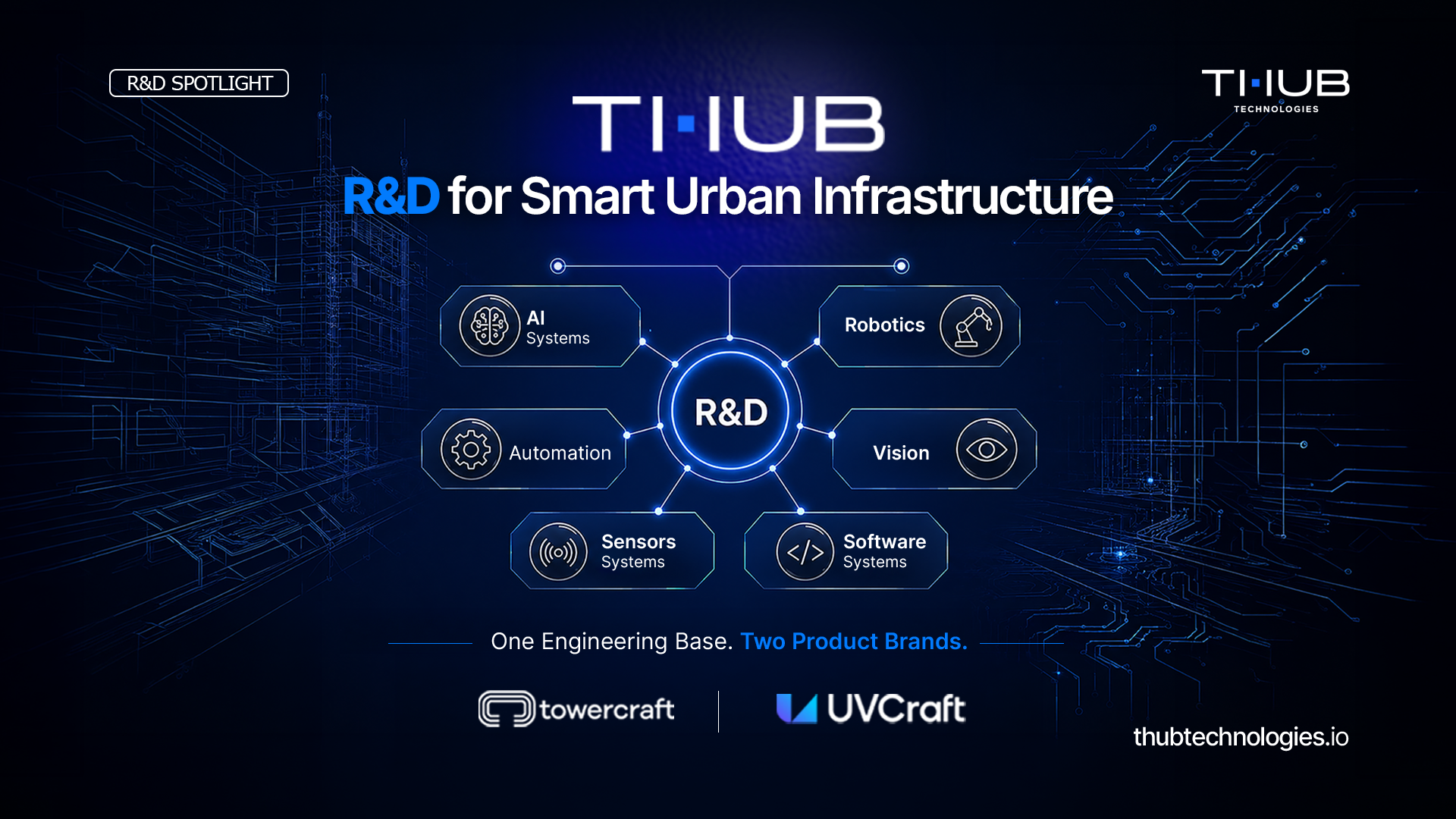
THUB Technologies develops solutions for the built environment, including Towercraft’s robotic façade cleaning technology and UVCraft’s UV-C disinfection systems. By bringing robotics and automation into essential maintenance processes, we aim to help organizations explore more efficient ways to care for the spaces people use every day.
Sustainable cities are built through thoughtful decisions. Automation can be one of them.